When Should You See a Psychologist? 7 Signs You Shouldn’t Ignore
In today’s fast-paced world, mental health concerns like anxiety, stress, depression, relationship conflicts, and emotional burnout are increasingly common. Yet many people hesitate to seek professional help. If you’ve been wondering “When should I see a psychologist?”,
BLOG POST
Dr Priyanka Gupta
2/25/20263 min read
In today’s fast-paced world, mental health concerns like anxiety, stress, depression, relationship conflicts, and emotional burnout are increasingly common. Yet many people hesitate to seek professional help. If you’ve been wondering “When should I see a psychologist?”, this comprehensive guide will help you understand the early warning signs — and why consulting a qualified psychologist in Delhi can transform your emotional wellbeing.
Why Mental Health Support Is Important
Just as you consult a doctor for physical symptoms, seeking therapy for emotional distress is a proactive step toward mental wellness. Early psychological intervention can prevent long-term issues such as chronic stress disorders, panic attacks, depression, and psychosomatic illnesses. If you are searching for:
Best psychologist in Delhi
Anxiety treatment in Delhi
Stress management therapy
Online counseling in India
Relationship counseling near me
— this article is for you.
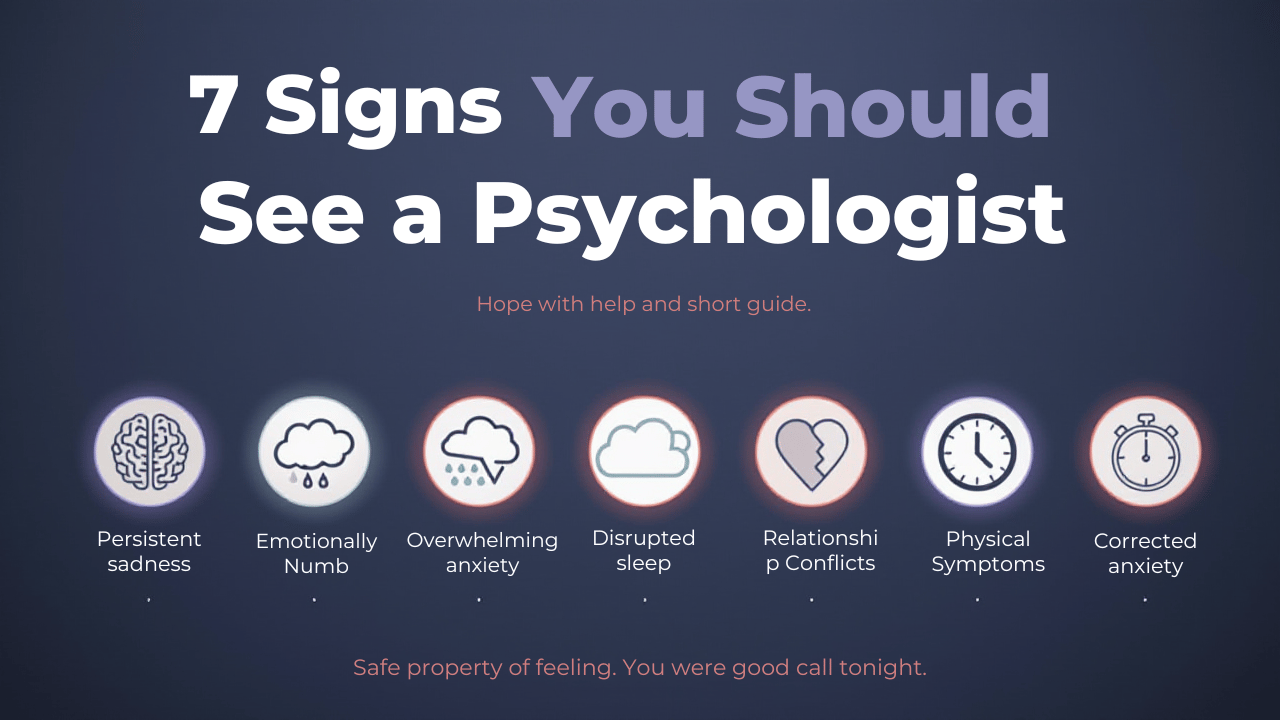
7 Signs You Should See a Psychologist
1. Persistent Anxiety, Overthinking, or Panic Attacks
Do you experience constant worry, racing thoughts, breathlessness, or sudden panic episodes? Persistent anxiety that interferes with daily life may indicate Generalized Anxiety Disorder or stress-related conditions.
Common symptoms include:
Restlessness
Sleep disturbances
Irritability
Difficulty concentrating
Physical tension
A licensed psychologist can provide anxiety treatment through evidence-based therapies and holistic stress management techniques.
2. Feeling Sad, Empty, or Emotionally Numb
If sadness, hopelessness, or lack of interest in activities lasts more than two weeks, it may be a sign of depression. Many individuals silently struggle with high-functioning depression, especially working professionals and students in Delhi. Depression therapy helps:
Improve mood regulation
Restore motivation
Address negative thinking patterns
Rebuild emotional resilience
Early counseling prevents symptoms from becoming severe.
3. Repeated Relationship Conflicts
If you notice repeated arguments, communication breakdowns, or unhealthy patterns in relationships, therapy can help uncover underlying emotional triggers. Relationship counseling in Delhi can support:
Couples facing communication issues
Individuals struggling with attachment patterns
Families experiencing generational conflict
Parents managing teenage challenges
Unresolved emotional wounds often reflect in relationships — therapy brings awareness and healing.
4. Chronic Stress & Emotional Burnout
Are you constantly exhausted, even after rest? Do you feel emotionally drained by work, responsibilities, or caregiving? Burnout symptoms include:
Irritability
Brain fog
Physical fatigue
Headaches or digestive issues
Reduced productivity
Stress management therapy combines psychological tools, lifestyle adjustments, and mind-body awareness to restore balance.
5. Trauma or Past Experiences Still Affect You
Childhood trauma, grief, betrayal, or major life events can leave emotional imprints. Even if the event occurred years ago, unresolved trauma may show up as:
Trust issues
Fear of abandonment
Emotional numbness
Self-sabotage
Panic responses
Trauma-informed therapy provides a safe, confidential space to process painful memories and release emotional burdens.
6. Physical Symptoms Without Clear Medical Cause
Sometimes emotional distress manifests physically. You may experience:
Chronic headaches
Muscle tension
Insomnia
Fatigue
Digestive discomfort
The mind-body connection is powerful. Psychosomatic symptoms often improve significantly with psychological intervention and holistic therapy approaches.
7. Feeling Stuck, Lost, or Lacking Direction
You don’t have to be in crisis to see a psychologist. Many people seek therapy for:
Personal growth
Confidence building
Career clarity
Emotional intelligence development
Self-esteem improvement
If you feel stuck in repetitive patterns or uncertain about your life direction, counseling offers clarity and structured guidance.
Benefits of Seeing a Psychologist in Delhi
Working with an experienced consulting psychologist like Priyanka Gupta provides:
✔ Confidential and non-judgmental space
✔ Evidence-based psychological assessment
✔ Holistic healing approaches
✔ Emotional clarity and resilience
✔ Improved relationships
✔ Better stress management skills
✔ Long-term mental wellness
At Mannshaktii Healing & Meditation Center, therapy integrates clinical psychology with holistic healing modalities for comprehensive mental health care.
When Is the Right Time to Start Therapy?
The best time to see a psychologist is before emotional distress becomes overwhelming. If your thoughts, emotions, or behaviors are affecting:
Work performance
Relationships
Sleep quality
Physical health
Self-confidence
— it’s time to seek professional guidance.
Online & In-Person Counseling in Delhi
Today, mental health services are accessible both online and offline. Whether you prefer:
Online therapy sessions in India
In-person counseling in Lajpat Nagar, New Delhi
One-on-one psychological consultation
Professional support is available to help you navigate emotional challenges effectively.
Final Thoughts
Seeking help is a sign of emotional strength, not weakness. If you resonate with any of these seven signs, consider scheduling a consultation with a qualified psychologist. Early support can prevent deeper distress and guide you toward clarity, balance, and empowered living.
Your mental health deserves timely care.
Book a Session with Dr. Priyanka Gupta
Health Psychologist | Clinical Hypnotherapist | Holistic Mental Health Expert
Mannshaktii Healing & Meditation Center, New Delhi
🌿 Online & In-Person Appointments Available